Chapter 02 — The Medicine
When nobody can tell you what's wrong.
Some pets get a diagnosis in one visit. Others bounce between clinics for years — new tests, new guesses, no answers. Those are the cases Nicole clears her schedule for.
If this sounds familiar
Many of the families who find Nicole have been working on a mystery for a long time — often with several veterinarians, binders of records, and a pet who still isn't right.
- A chronic condition managed for years without ever getting a real name
- Test results that keep coming back "normal" while your pet clearly isn't
- A diagnosis that never quite fit — or treatments that never quite worked
- A gut feeling that something is being missed
You're not imagining it, and you're not being difficult. Some cases are simply hard — and hard cases need a doctor who treats "hard" as the interesting part.
How she works
Medicine at the pace the case demands.
Your pet gets her full attention
Complex cases don't fit in the gaps between routine appointments — so Nicole doesn't treat them that way. She takes the time the case actually needs: the full history, the timeline, the details that seemed too small to mention.
Thorough, methodical diagnostics
Careful bloodwork, imaging, and step-by-step workups that rule things in and out on purpose — not guesswork, and not the same three tests that have already come back "normal" twice.
She notices what others miss
Colleagues joke that Nicole "finds the weirdest cases." What that really means: the case was always there — she's the one who caught the small thing everyone else walked past.
Straight answers, always
If she doesn't know yet, she says so — and keeps digging. And if your pet would genuinely be better served by a board-certified specialist, she'll tell you that too, and help you get there with a workup that saves you time and money.
The depth behind it
An internal-medicine habit that never switched off.
Internal medicine is the detective work of veterinary care — the organ systems, hormones, and slow-moving conditions where symptoms are vague, causes hide, and the answer only shows up if someone keeps asking questions. It's the part of medicine Nicole has spent her career deliberately sharpening, well past what the day-to-day job requires.
In practice, that looks like layered lab work read closely instead of skimmed, imaging when imaging will actually change the plan, and follow-up questions nobody has asked you yet. It's why chronic cases that have stumped good clinics for years often move, at last, once she takes them on.
What families leave with: a real diagnosis, in many cases for the first time. Sometimes that means a cure. When a cure isn't on the table, it means something almost as valuable — a condition with a name, better management options, the right procedures, and a plan of care that actually fits your pet.
Bring her the case
Two ways to start.
Seeing patients now
Book at Mtn Green Animal Hospital
Nicole practices at Mtn Green Animal Hospital in Mountain Green, Utah — about 20 minutes from Ogden. Call the hospital to book, and bring (or have your current clinic send) your pet's full records: every prior test helps, even the "normal" ones.
Visit the hospital siteNot sure it's "complex enough"?
Ask first
If you're unsure whether your pet's situation is the kind of case Nicole takes on, send a short note through the contact page — a few sentences about the history is plenty to point you in the right direction.
Send a noteWhere the workups happen
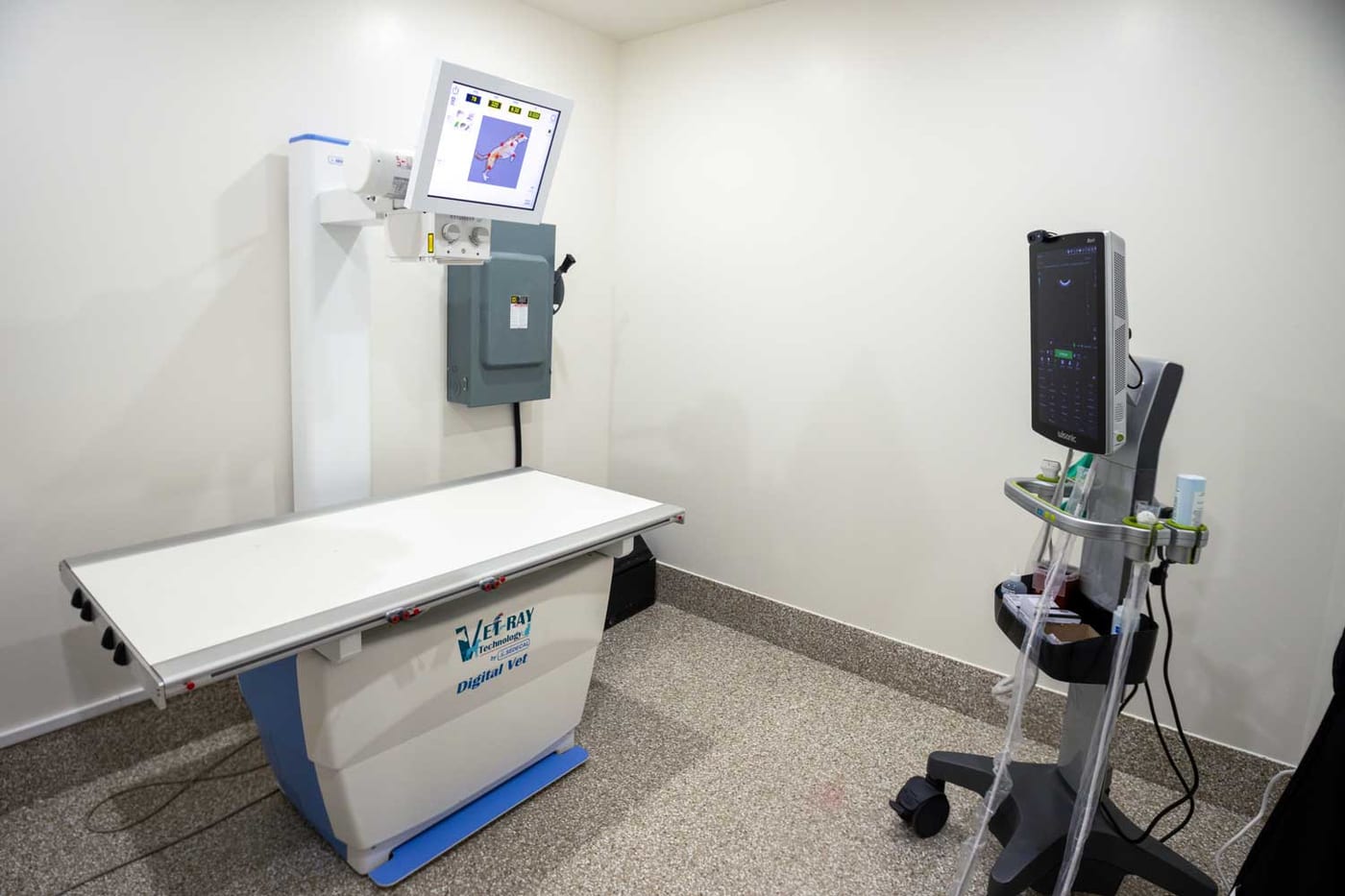

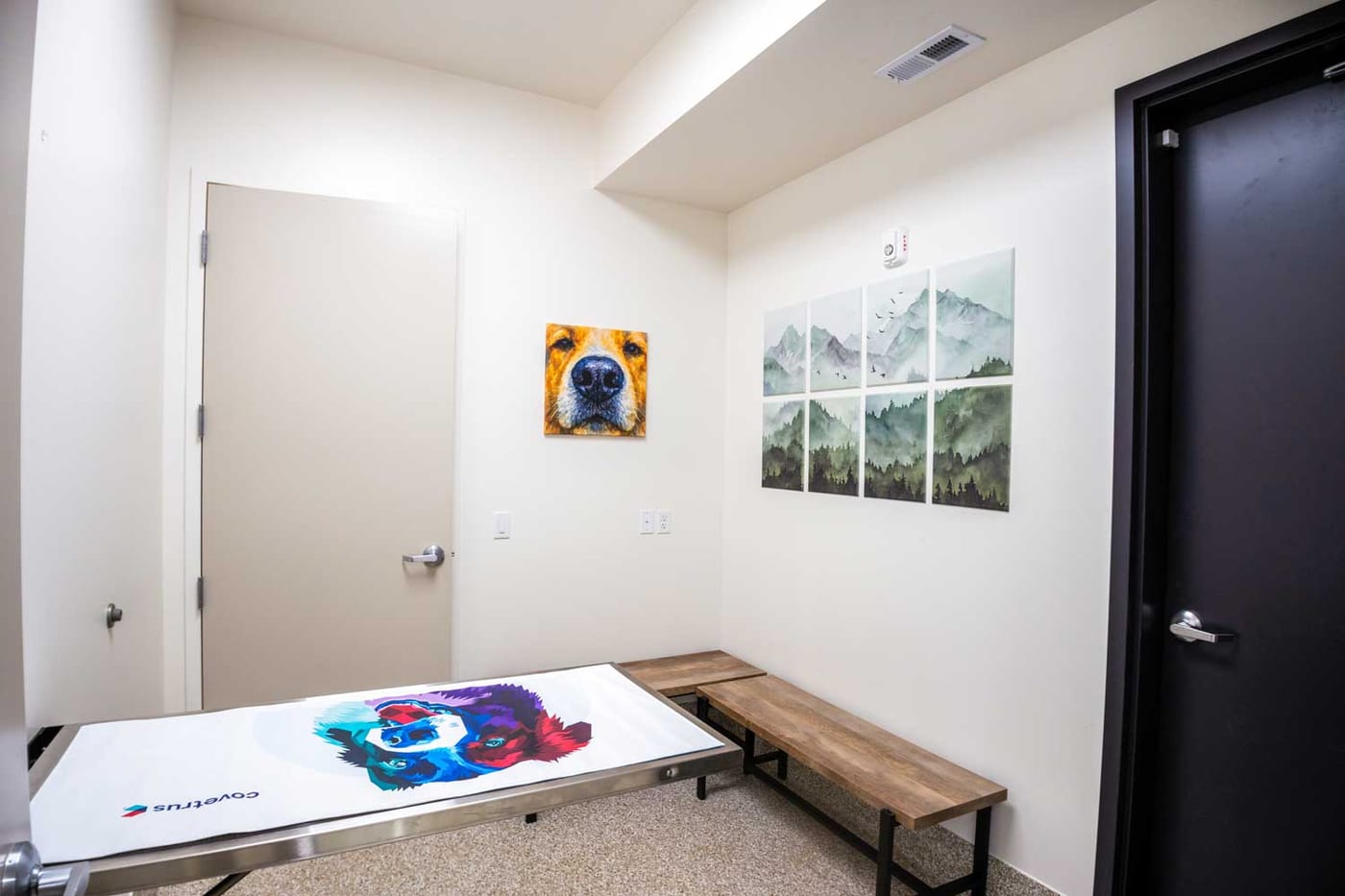
For veterinarians — this standard of medicine is the whole point of partnering with Nicole. Every hospital she builds is a place where doctors get the time, the tools, and a sharpening partner to practice this way.